Impact of geopolitical risks on currency markets
Geopolitical risk means people feel unsure about the future because of wars, fights between countries, sanctions, elections, or new groups that start in the world. Events in the foreign exchange market affect how money flows between countries. These changes make currency prices go up or down. When things are not clear, investors look at risk again. Investors change what they own. Investors move money between different currencies to keep the portfolio balanced.
When a local conflict gets worse, trade can stop. The conflict can slow down economic growth. More people may want to use safe currencies because of the conflict. Exchange rates move often because the forex market stays open all the time. The forex market shows what people think at every moment. Even if people are not losing money now, the way people feel about money can make things rise or fall.
The price of a currency can rise or fall because people think about what will happen to interest rates. People also watch how they feel about inflation. When money moves in or out of a country, the price of a currency can change as well. Geopolitical shocks often hit all three at once. When traders feel more uncertainty, many traders use less leverage. Some traders set tighter risk limits. Some traders add more margin. These steps can make prices move more for a short time. When you look at how this works, you can see that the exchange rates often change before the official economic numbers do. When people understand the main political factors in the world, people can manage risks better. People can also make better choices when trading.
Defining geopolitical risk and its key sources
The probability of political events which create disruptions to economic operations and financial stability and cross-border capital movements defines geopolitical risk. The risk in currency markets directly relates to political choices which impact international trade activities and how investors view monetary policy and market stability. The main sources of conflict stem from military battles and economic penalties and commercial disagreements and failed diplomatic relations and internal political turmoil within a nation.
The country which exports major commodities faces substantial market entry challenges because of sanctions which restrict its business activities. The implementation of such policies leads to decreased foreign currency entry which results in currency value depreciation and creates market instability for currencies that are connected to the affected currency. Elections serve as a major factor which creates uncertainty in the system. The exchange rate responds to changes in fiscal policy and central bank independence and regulatory frameworks because these events affect how investors expect interest rates to move.
The two different methods through which geopolitical risks appear involve direct military conflicts and extended trade negotiations which extend across various time periods. The market prices both types of assets through modifications in market volatility and bond spread values and trading market liquidity. The identification of geopolitical risk origins enables traders to predict which currencies will face market impacts and which particular factors will cause price fluctuations before economic data becomes available.
Transmission channels from geopolitical events to exchange rates
The exchange rate responds to geopolitical events through established channels which determine its movement. The first channel is capital flows. International investors tend to decrease their investments in risky areas when political instability increases while they move their funds into markets which seem to have lower levels of risk. The market transformation creates new currency market requirements which result in fast currency value changes.
Interest rate expectations serve as an essential communication channel. Central banks will address geopolitical shocks through monetary tool applications which include delayed interest rate hikes and reduced interest rates and liquidity management system adjustments. The start of a conflict would create economic growth risks because it would produce adverse effects. The market predicts interest rates will drop in the future which causes the currency to lose value against other currencies.
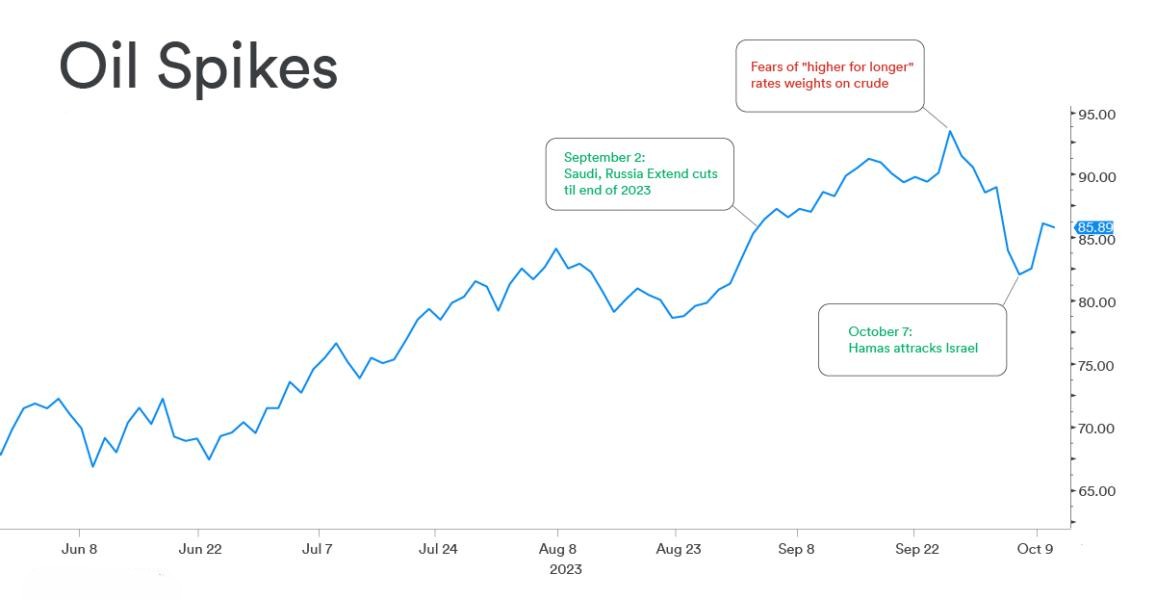
The market situation affects investments through its impact on trade activities and commodity market fluctuations. The supply disruptions of energy and raw materials create negative effects on trade balances of importing nations which benefits exporting countries thus affecting their currency exchange rates. Risk sentiment amplifies these effects. The market experiences declining leverage levels while margin requirements increase and liquidity decreases which results in higher short-term market volatility.
Safe-haven currencies and risk-sensitive currencies
Currency markets respond in distinct ways to geopolitical events which occur. The value of certain currencies increases when markets experience high levels of uncertainty but other currencies lose value. The market values safe-haven currencies because these currencies have strong institutions and well-developed financial systems and proven economic stability records. The value of these currencies increases when geopolitical risk escalates because investors choose to protect their assets instead of seeking investment returns.
The situation shows how geopolitical escalation would create global fear which would make investors more risk-averse in their investments. Traders would reduce their leveraged currency positions that offer high yields while they invest their funds into lower volatility investments. The market transition leads to higher exchange rates of safe-haven currencies because investors seek these currencies even though their home economies show no signs of improvement.
Risk-sensitive currencies function as part of international trade systems and they also serve as export channels for commodities and they represent new market entries. The value of these currencies decreases when market uncertainty increases because investors decrease their capital investments and borrowing costs become more expensive. Market movements create stronger short-term market effects because of two factors which occur when margin requirements change and market liquidity decreases.
Impact of wars, conflicts, and military escalation on FX markets
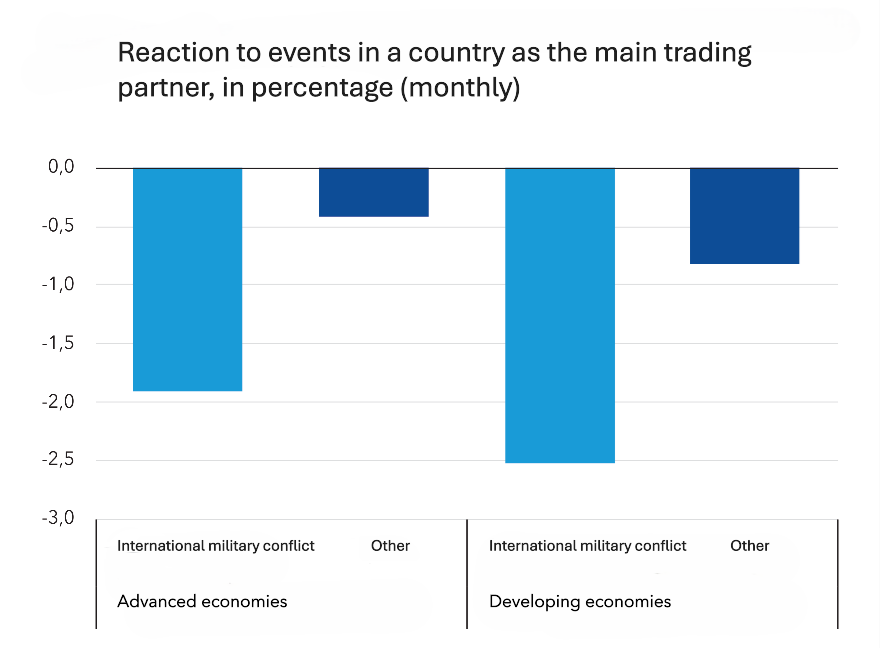
Wars and military escalations tend to generate some of the sharpest reactions in currency markets. The economic situation becomes more unpredictable because of these events which affect both trade pathways and fuel distribution and national financial health and monetary value assessments. The market responds to expectations through instant currency fluctuations which do not require evidence of actual economic harm.
A major producer faces energy export disruptions when conflicts occur in their operations. The process of importing countries will result in elevated production expenses which will lead to increasing inflation predictions that might decrease their currency value when their economic growth becomes less promising. The trade balance improvements between countries will lead to currency value increases for nations which supply alternative energy resources.
The military escalation creates market effects which alter the operation of financial markets. The market shows rising volatility while its liquidity levels decrease and financial spreads expand. Market participants adjust their trading activities through three main strategies which include decreasing their investment amounts and using less borrowing power and building up their account reserves. The implemented changes will create bigger short-term market price fluctuations which affect currency pairs that have limited trading activity.
Central bank responses to geopolitical shocks
Central banks serve as essential institutions which maintain currency market stability when geopolitical events trigger market disruptions. Policymakers tend to concentrate on three main objectives during times of rising uncertainty which include liquidity preservation and inflation expectation management and financial system stability maintenance. The actions create effects on interest rate projections which serve as the main force behind currency value changes.
The situation requires immediate action because geopolitical tensions create economic threats which endanger both national economic growth and international business operations. A central bank can use two tools to achieve its goals by sending signals about interest rate stability and creating liquidity to help credit markets function properly. The market response to rate expectations changes will determine if the currency value strengthens or weakens based on how monetary policies compare between different countries. The currency market displays extreme reactions to forward guidance during these times because minor changes in wording statements lead to major exchange rate movements.
In more severe cases, central banks may intervene directly through asset purchases or currency market operations. These measures function to decrease market fluctuations which exceed normal levels instead of working to achieve particular exchange rate values. Market behavior becomes influenced by the level of uncertainty which exists in the market. The market conditions lead to declining leverage while traders need to increase their margin requirements and they decrease their trading position sizes to protect their investments.
Conclusion
There is always some geopolitical risk in the currency markets now. Geopolitical risk does not leave. Geopolitical risk stays. The world has many conflicts, changes in trade, and political trouble. Many countries form new groups. These things change how money moves, how people think about interest rates, and how people look at risk with each big currency. These forces show why exchange rates can go up or down fast, even when the economy does not give any new data.
When there is more uncertainty, the market can rise and fall quickly. Leverage, margin use, and how easy it is to trade can shift the market. If countries keep having problems, currency trends can change over time. Trade balances and bank choices about money also affect this. Noticing this difference helps with the analysis. This can stop people from only reacting to the headlines.
You need to look at risk management for these conditions. Do not try to guess what might happen. I check the size of my positions. I watch how much the market moves. I make sure my trades fit what is going on in the market. These things help me stay calm when the market feels unsure.